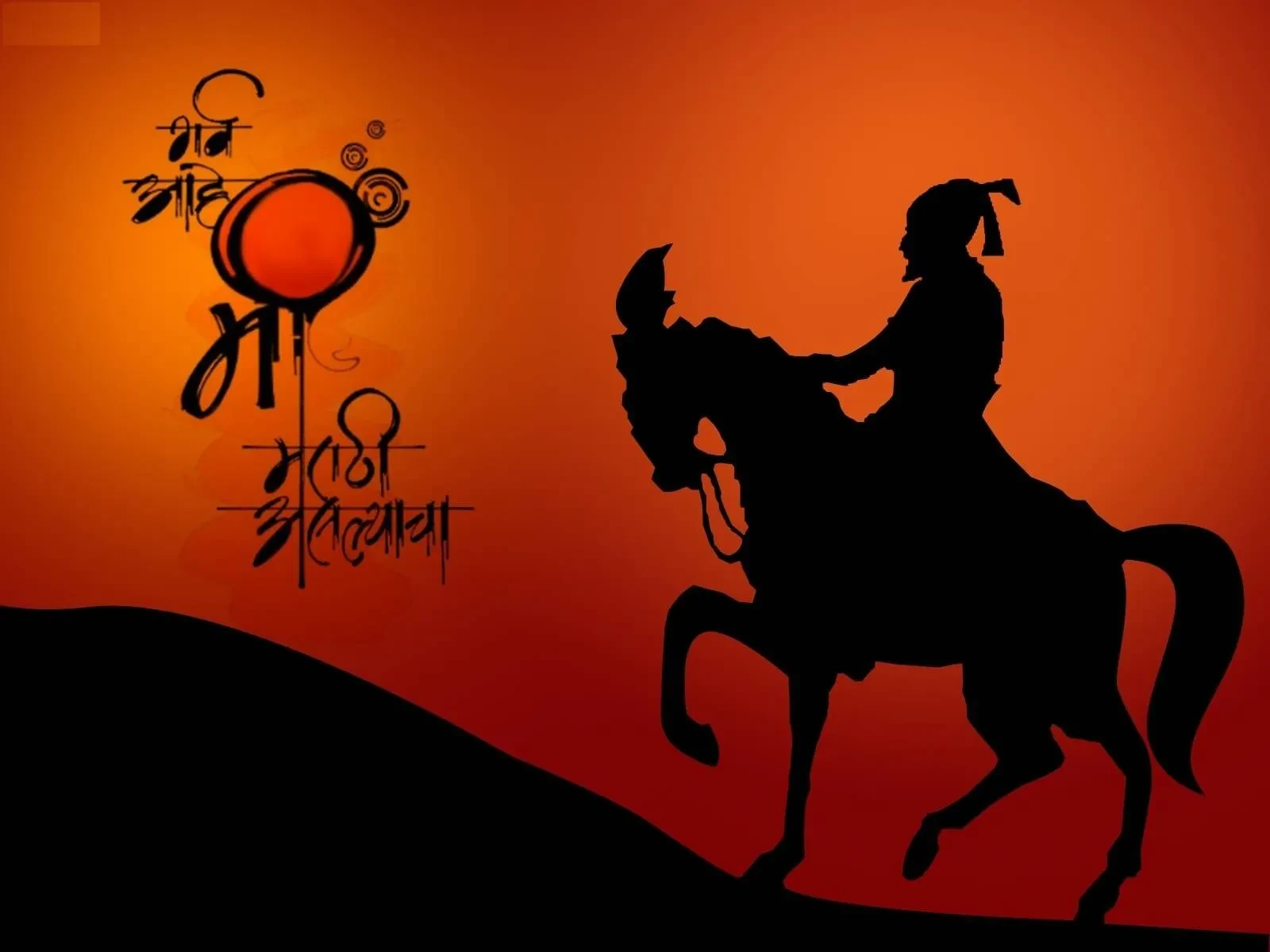
Sambhaji Maharaj, the son of the great Chhatrapati Shivaji Maharaj, remains a fascinating figure in Indian history. Known for his military prowess and strong leadership, his image is often associated with a particular style of beard. While precise photographic evidence is, understandably, unavailable from that era, historical depictions and accounts offer us clues about his likely facial hair.
So, what kind of beard did Sambhaji Maharaj sport? Most portrayals show him with a full, well-groomed beard, often described as a long, flowing beard. It wasn’t just any beard though; it likely played a significant role in his persona.
Think about the context: the 17th century in India, a time of intense warfare and political maneuvering. A long, well-maintained beard in those times was often a symbol of authority, wisdom, and masculinity. For a warrior king constantly facing challenges, the beard would have added to his imposing presence on the battlefield and during diplomatic encounters.

It’s important to note that while we have visual representations, the exact style and length varied based on the artist’s interpretation and the available historical sources. Some paintings might show a slightly shorter beard, but the overall impression consistently points towards a prominent, well-kept beard.
The maintenance of such a beard would have also been a statement. It suggests access to resources, personal care, and a level of societal status that allowed for this kind of attention to grooming. In a time when hygiene was not always easily accessible, having a neat and well-kept beard would have been a testament to his power and influence.
Beyond the practical aspects, the beard likely held symbolic significance. For the Marathas, their king’s appearance played a crucial role in projecting strength and stability to his people. The beard contributed to this image – a visual reinforcement of his authority and spiritual power.
It is also important to consider the artistic conventions of the time. Many portraits of historical figures, including Sambhaji Maharaj, were created long after their deaths. Artistic license likely played a part in shaping the depiction of his beard. However, the consistency in the representation points toward a fairly accurate reflection of the general style.

Could there have been regional influences? It’s possible. Beard styles varied across different parts of India during the 17th century. However, the focus on a full, flowing beard in depictions of Sambhaji Maharaj suggests a deliberate choice, reflecting his personality and the cultural context.
Was it purely a matter of aesthetics? Probably not. While a well-kept beard might have looked impressive, its significance in conveying strength and authority makes it unlikely that the style was solely a matter of personal preference. It served a vital role in his image-making as a powerful leader.
In conclusion, while the exact details of Sambhaji Maharaj’s beard remain open to interpretation, historical depictions strongly suggest a full, well-groomed beard that extended past his chin. This style was not just about fashion; it was a powerful symbol of his kingship, masculinity, and authority within the turbulent era of the Maratha Empire.
Possible Interpretations of Sambhaji Maharaj’s Beard Style
- Symbol of Royal Authority
- Indicator of Masculinity and Strength
- Reflection of Cultural Norms
- Visual Representation of Spiritual Power
- Statement of Social Status and Resources
Trying to recreate Sambhaji Maharaj’s beard today would be a tribute to his legacy. But remember, it’s not just about mimicking the style, but also understanding the historical and cultural significance behind it.

Therefore, let us appreciate his legendary image and the power his beard represented, a glimpse into the life of a great warrior king.
Further research and exploration of historical documents and artistic representations can provide more insights into this interesting aspect of Sambhaji Maharaj’s life.
So, next time you see a depiction of Sambhaji Maharaj, take a moment to appreciate not just the face, but also that magnificent beard, a testament to a fascinating figure in Indian history.